
Struggling with latching, weak sucking, or painful feeds?
BabySTA helps babies develop correct tongue function and jaw action for effective breast and bottle feeding.

You may be experiencing some of these…

Baby slips off breast

Clicking sounds while feeding

Milk leaking from mouth

Long feeding sessions or slow weight gain

Painful nipples & breasts

Baby tires quickly while feeding
If any of these sound familiar, your baby may be
struggling with latch depth or tongue coordination…
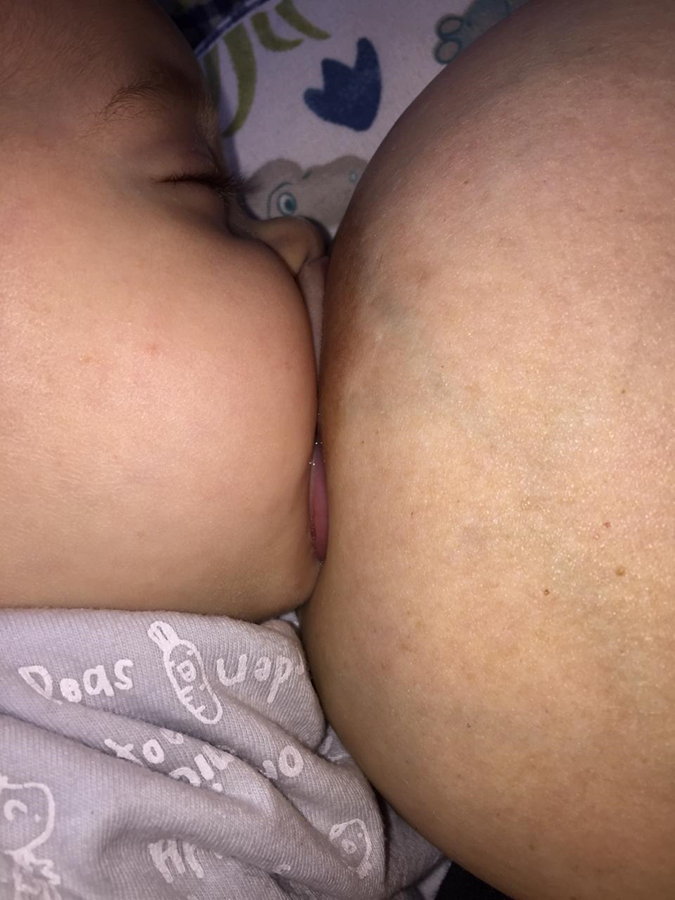
Breastfeeding is a learned motor skill
Effective breastfeeding requires coordinated movement of the tongue, jaw and swallowing reflex.
Some babies are born with immature oral coordination, shallow latch patterns, or reduced tongue cupping.
This can lead to inefficient milk transfer, longer feeds, and nipple discomfort — even when milk supply is adequate.
Breastfeeding challenges are not a failure of effort. They are often a motor learning issue.
Designed by a Physiotherapist & focused on baby’s development and mom’s wellbeing
In clinical practice, we repeatedly saw mothers struggling — not because they lacked determination, but because their babies lacked coordinated sucking mechanics.
We needed a simple, safe way for babies to practice the wide-mouth, cupped-tongue pattern required for a healthy and effective latch.
BabySTA was created to support that early learning process.
A simple training aid for early feeding support
BabySTA is a soft, flexible, breast-shaped suck training aid designed to help infants practice effective sucking patterns.
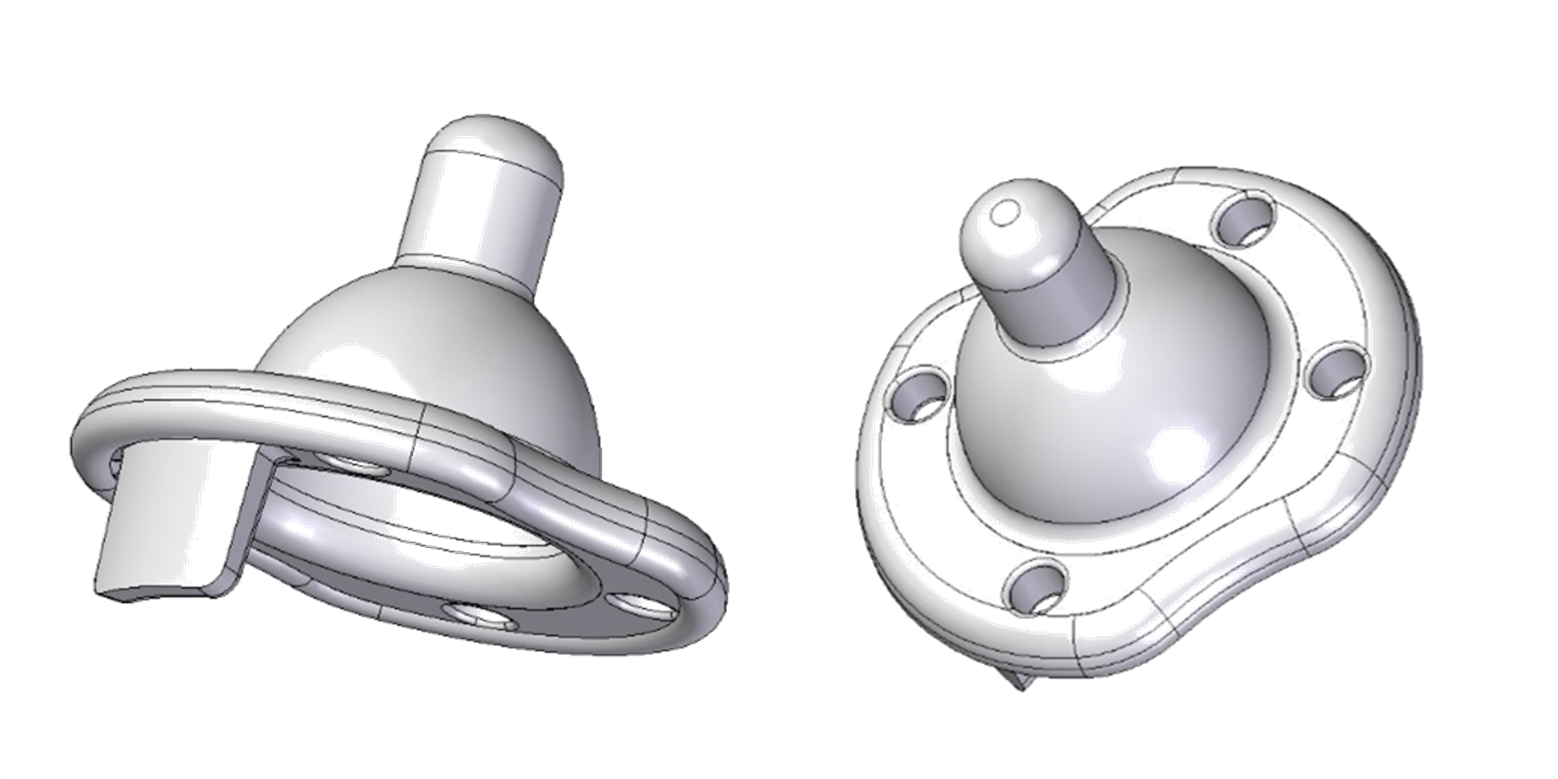
Breast-like design
Encourages wide latch
Supports tongue cupping
Strengthens oral muscles
Suitable from birth to 6 months
How BabySTA works

Baby practices non-nutritive sucking

Tongue begins to work more effectively

Sucking action improves

Milk transfer becomes more efficient

Breastfeeding is easier & more comfortable